You know, workspace design is really changing fast these days! By 2025, we're going to see some exciting trends in the realm of Study Tables and Chairs. A recent report from the Global Ergonomics Association even predicts that the ergonomic furniture market is set to soar to $43.2 billion by 2026, with an impressive annual growth rate of over 8%. Crazy, right? This just shows how more and more people are realizing how much our workspaces can affect our health and productivity.
Companies like Guangdong Junshi Intelligent Furniture Co., Ltd. are really pushing things forward with their smart office solutions. It’s like technology and ergonomic design are teaming up to create setups that are not just cool but actually good for us. This shift isn't just changing how students and professionals work; it's also redefining what furniture can do—making our workspaces a lot more adaptable, sustainable, and tech-savvy. It’s pretty exciting to think about where this all might lead us!
Innovative Materials Redefining Study Tables and Chairs by 2025
As we gear up for 2025, the world of study tables and chairs is really getting a makeover, and it's all thanks to some pretty cool new materials that are making them more functional and enjoyable to use. It's wild to think that the global office furniture market, which was around $60 billion back in 2020, is set to take off even more, especially with this big push towards eco-friendly and ergonomic designs. Seriously, this change is crucial! Studies suggest that using ergonomic furniture can actually boost productivity by as much as 17%. So, investing in quality Workspace Solutions? Definitely worth it!
Here at Guangdong Junshi Intelligent Furniture Co., Ltd., we’re all about innovation, and that’s what keeps us ahead in this rapidly changing market. We’re mixing in some smart tech with cutting-edge materials like bamboo composites and recycLED plastics. Not only does this help the planet, but it also means our products are both sturdy and good-looking. We’ve designed our furniture to meet a variety of needs, focusing on comfort during those long study or work sessions. Plus, our talented R&D team is collaborating with different industry experts to create intelligent workspace systems that really boost productivity for individuals and organizations alike. By 2025, our study tables and chairs are gonna set the standard in the industry, mark my words!
Emerging Trends for Best Study Table With Chair in 2025 - Innovative Materials Redefining Study Tables and Chairs by 2025
| Material | Durability | Eco-Friendliness | User Comfort | Price Range |
| Bamboo | High | Very High | Excellent | $150 - $300 |
| Recycled Plastic | Medium | High | Good | $100 - $250 |
| Engineered Wood | Medium | Medium | Very Good | $75 - $200 |
| Metal | Very High | Low | Excellent | $200 - $400 |
| Glass | High | Medium | Average | $150 - $350 |
Sustainable Alternatives: Eco-Friendly Options for Study Furniture
As we approach 2025, it's pretty clear that more and more people are looking for sustainable furniture, especially when it comes to study tables and chairs. You know, eco-friendly options are not just for the super green folks anymore; they're really part of a bigger trend towards sustainable living. We’re seeing a lot of focus on materials like bamboo, reclaimed wood, and even recycled metals. Manufacturers are starting to embrace these greener alternatives, and honestly, it’s about time! These materials not only help cut down on environmental impact, but they also look great and last a long time—perfect for creating a cozy study spot.
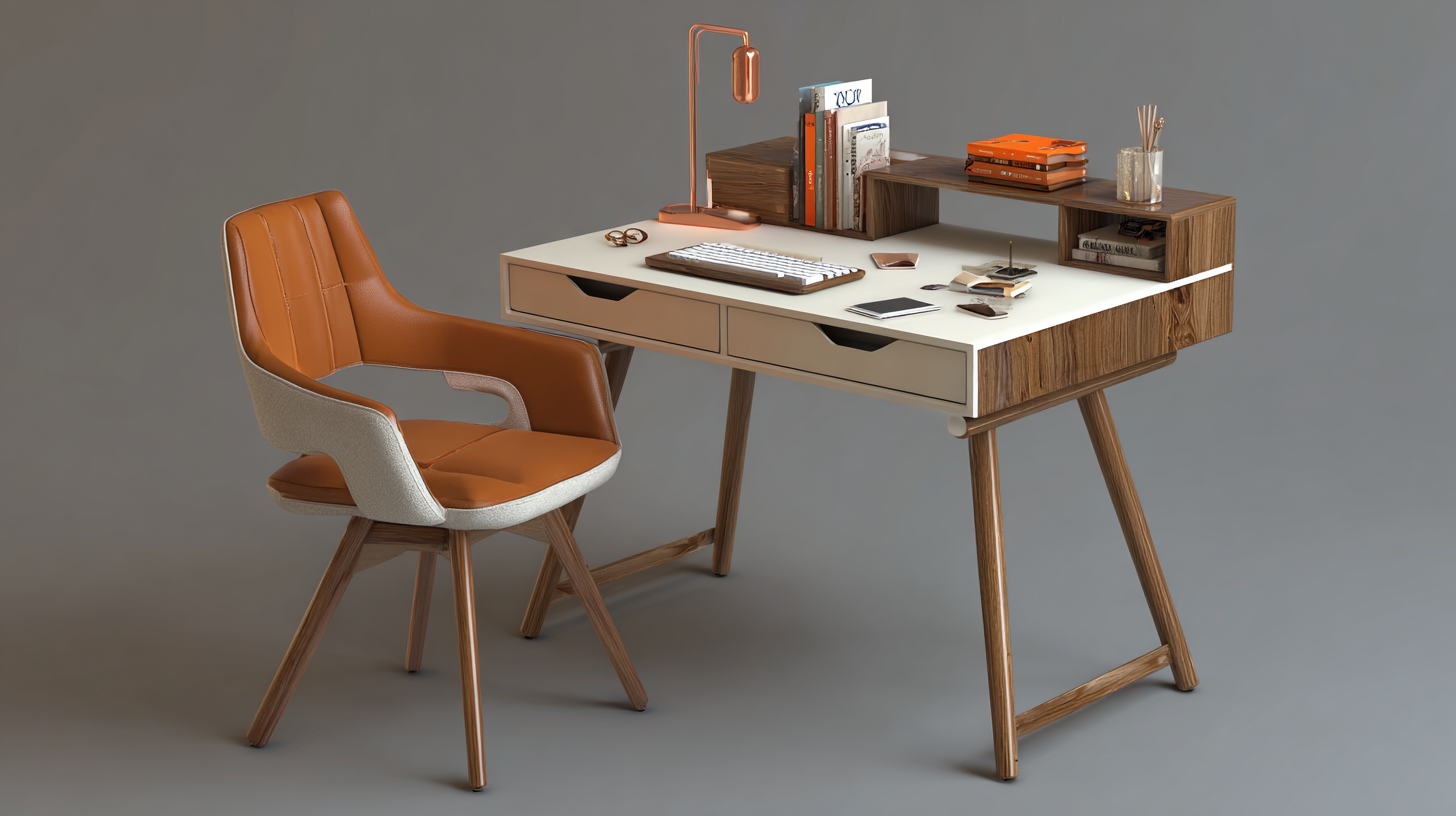
Plus, the way Study Furniture is designed is changing, too. I mean,modular pieces that you can easily move around or repurpose really make a difference; they can extend the life of the furniture. And let’s not forget about production techniques that aim to minimize waste—they’re definitely a step in the right direction. Brands are becoming a lot more open about where they source their materials and how they make their products, which is super helpful for us as consumers. This whole shift towards eco-friendly study furniture is part of a larger commitment to sustainability. It means that students and professionals alike can set up their study spaces to be not just comfy and stylish, but also kind to the planet.
Ergonomic Designs for Optimal Comfort and Productivity in Studying
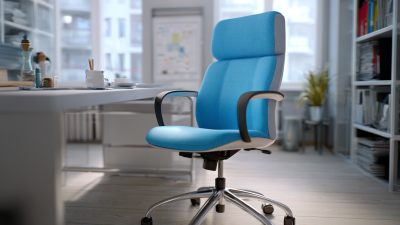
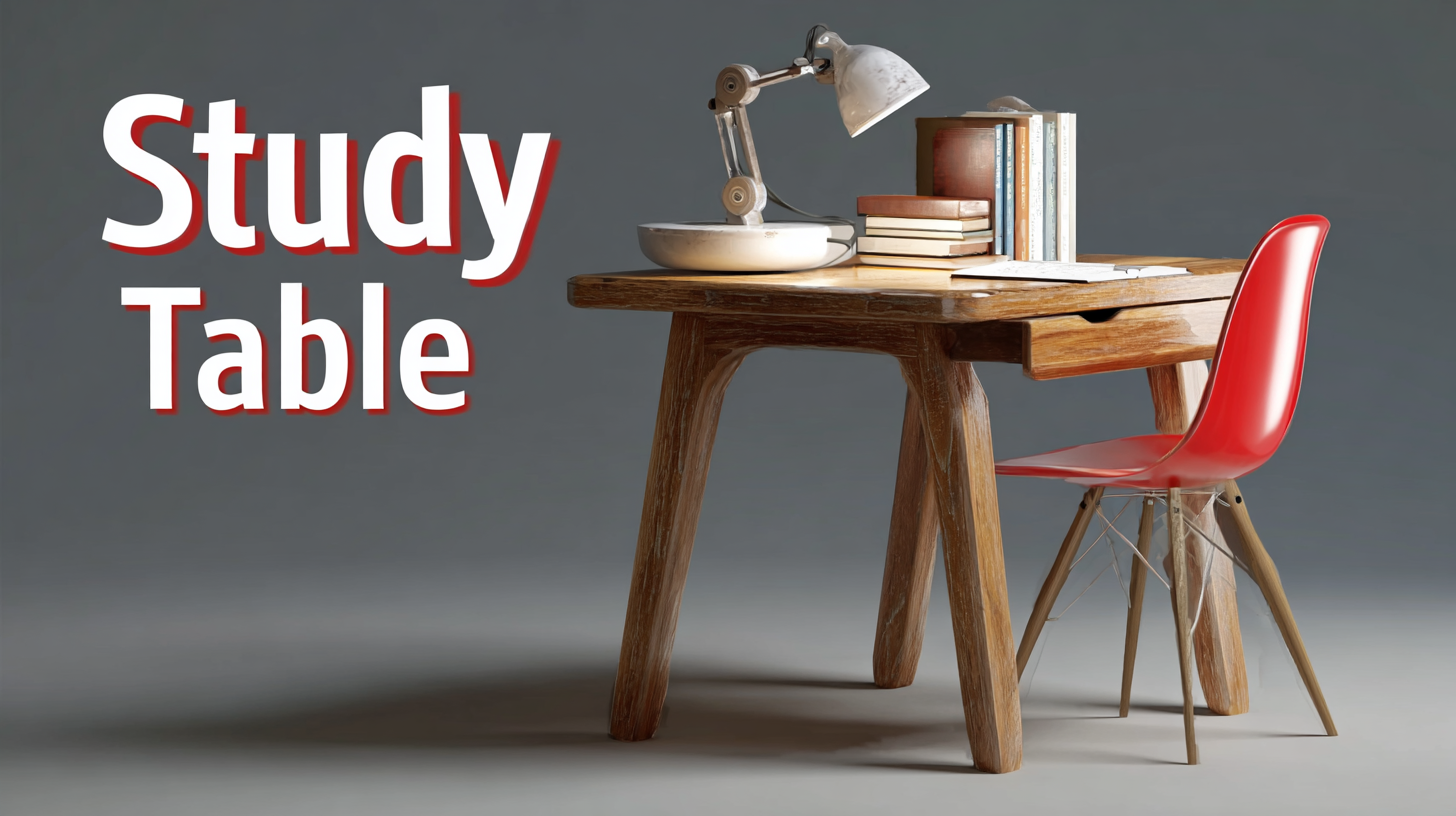 Looking ahead to 2025, it’s clear that ergonomic designs in study tables and chairs are becoming more and more important. They really play a big role in keeping us comfy and productive during those long study marathons, you know? Studies have actually shown that sitting with good posturecan really amp up your focus. Take Ergonomic Chairs, for example – they help cut down the chances of back pain and fatigue, which means students can stay focused on their work instead of squirming in discomfort.
And get this, a recent study found that ergonomic office workstations can boost productivity by like 15%! That’s a pretty solid connection between smart design and getting stuff done.
As we get closer to 2025, we can expect our study spaces to be more high-tech and geared towards health and comfort. Imagine smart desks that adjust their height based on how you like to work, encouraging you to move around and not just sit there all day – because, let’s face it, too much sitting isn’t good for anyone. Plus, the trend of customizable furniture is on the rise, letting students create their own ideal work environment that suits them just right and reduces distractions. Basically, as we approach 2025, putting money into ergonomic study furniture is going to be key for creating a learning atmosphere that really shines in both comfort and productivity.
Versatile Multi-Functional Study Tables to Maximize Space Efficiency
Looking ahead to 2025, it’s pretty clear that we’re going to see a big jump in the demand for versatile, multi-functional study tables and chairs. A recent study by the Global Furniture Alliance backs this up, suggesting that the market for space-saving furniture is on track to grow by about 10% every year. With more folks and families focusing on making the most out of their spaces, this trend really highlights how vital it is to have adaptable study environments that support both productivity and a bit of comfort.
One cool thing we’re seeing is the rise of modular designs. You know, the kind that you can easily rearrange for different activities. Think about study tables with built-in storage—these not only keep your workspace looking neat and tidy, but they also help you make the most out of every inch you’ve got. Research shows that having a well-organized space can boost your focus and efficiency by as much as 30%. That’s huge, right? So, whether you’re a student cramming for finals or a professional grinding away, investing in this kind of furniture can be a game-changer.
So, when you're out there picking a study table, be on the lookout for features like built-in charging ports or adjustable heights. These little touches can really amp up how functional your workspace is and let you customize it to fit your own style. And don’t forget about the materials—go for options that are not just sturdy but also good-looking. You want your study area to feel inviting and make learning a breeze!
Smart Technology Integration in Study Furniture for Enhanced Learning Experience
As we edge closer to 2025, it's pretty exciting to think about how smart tech is going to shake things up in study furniture. Just picture it: study tables with built-in touchscreens right where you need them, letting students dive into educational resources without a hitch. These tables could even adjust to your perfect height and have surfaces that you can personalize to fit your style, making it way more comfy and boosting productivity. Plus, how cool would it be to have voice-activated assistants integrated right into the furniture? Imagine getting reminders, setting timers, or quickly grabbing info with just your voice, creating an atmosphere that really pulls you into the learning zone.
And there's more! The rise of modular furniture that's flexible to different study needs is definitely a thing. These setups might come with handy features like charging ports for all your devices, built-in speakers for those virtual classes, and even lighting that shifts according to the time of day or what you're doing. By putting comfort first alongside these tech upgrades, this new wave of furniture will make those long study sessions a lot easier on your body. In the end, study tables and chairs of the future won't just meet today's educational demands—they'll spark creativity and teamwork thanks to all this nifty tech integration.
Emerging Trends in Smart Study Furniture (2025)
Trendy Aesthetic Styles Shaping the Future of Study Workspaces
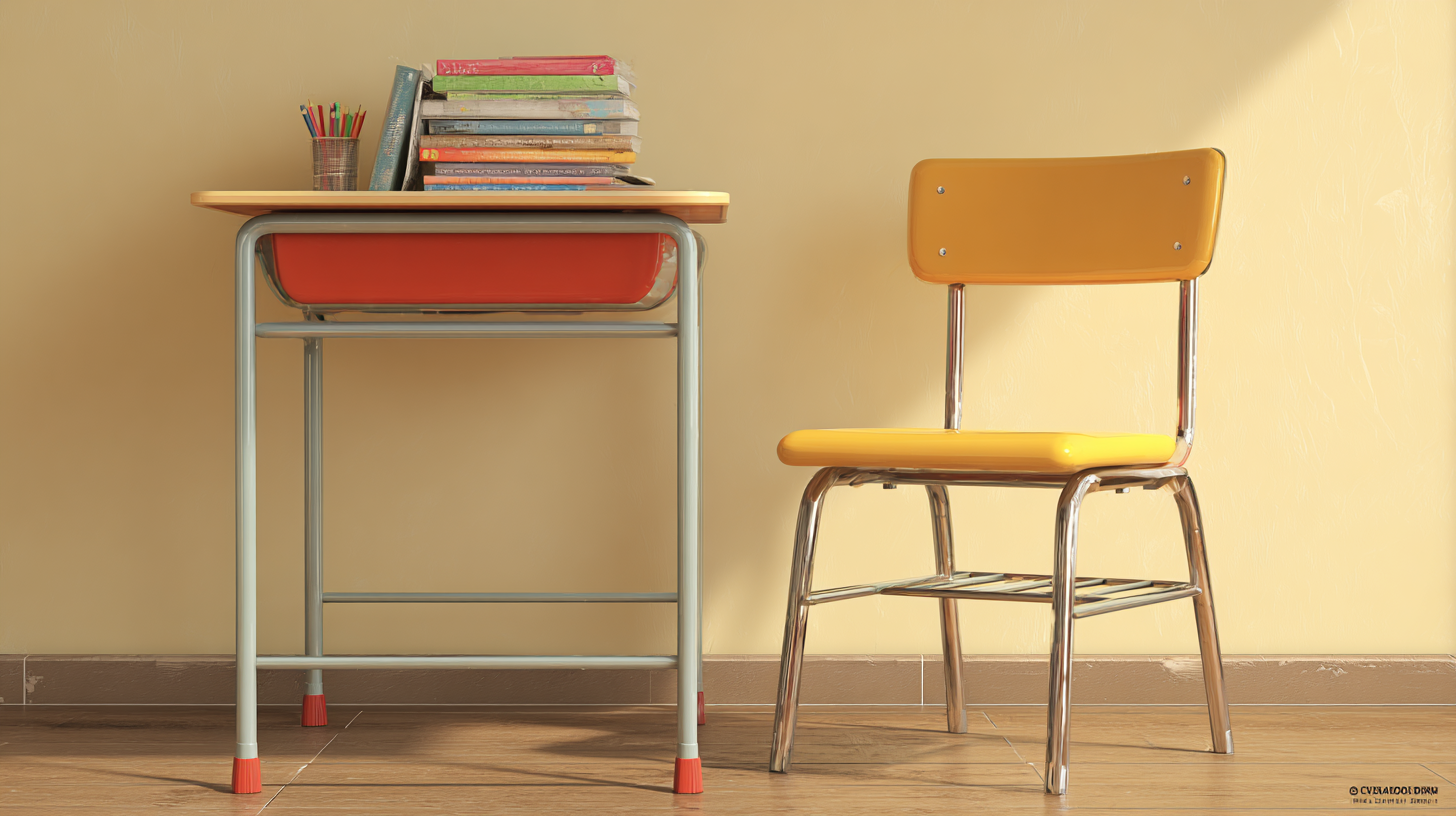
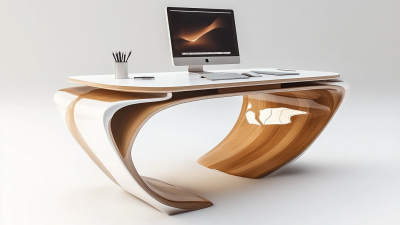
Looking ahead to 2025, it's pretty clear that the study workspaces of the future are all about those stylish vibes that not only boost productivity but also show off individual tastes. We’re definitely saying goodbye to those plain old desks and chairs. Nowadays, we want our setups to be comfy and chic, right? With an eye on functionality, modern study tables are being made from sustainable materials, featuring sleek lines, bold colors, and ergonomic designs. These designs are perfect for those long study sessions, helping to keep us comfy and reducing any strain on our bodies.
And don’t forget about the accessories—they’re super important too! From cute yet practical desk organizers to trendy lighting, each piece is designed to do its job while adding a bit of personality to the space. Not only do these items make your workspace look better, but they also contribute to a tidy and productive environment that sparks creativity. As we move into the next few years, it’s pretty obvious that blending style with functionality will be a big deal, giving people the chance to really make their study spaces their own and, in turn, improve how they work overall.
Transforming Workspaces: The Beauty of Lacquered Office Coffee Tables in Modern Business Aesthetics
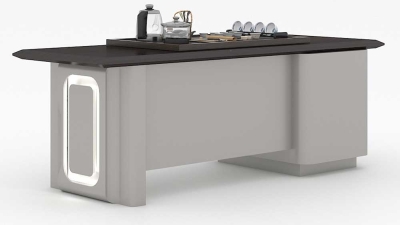
In the evolving landscape of modern business aesthetics, the workspace is no longer just a functional area; it's a canvas for creativity and professionalism. Central to this transformation is the introduction of lacquered office coffee tables, which seamlessly blend style and practicality. The JunShi Intelligent Furniture lacquer tea table exemplifies how form meets function, boasting a mirror-level glossy texture that radiates elegance. This table doesn't just serve a purpose; it enhances the ambiance, inviting both introspection and collaboration during meetings.
The lacquer series tables from JunShi highlight three essential qualities: visual aesthetics, functional innovation, and a commitment to environmental safety. Designed for high-end corporate settings, these tables double as business social tools, fostering connections in a polished environment. Their anti-fouling and corrosion-resistant surfaces are practical for everyday use, ensuring that tea stains and coffee spills can be wiped away effortlessly, maintaining the table's pristine appearance.
Furthermore, the adaptable nature of the JunShi tables means they fit perfectly in diverse professional spaces, from a chairman’s room to a casual parlour. With a thickened steel frame that provides stability and customizable sizes, these pieces can effectively support a range of business activities without compromising on style. By integrating these lacquered tables into your office, you infuse the workspace with a sense of seniority and sophistication, ensuring that every business negotiation is marked by confidence and ease.
FAQS
: The transformation is primarily driven by innovative materials that enhance functionality and user experience, with a strong focus on sustainable and ergonomic designs.
The global office furniture market, valued at approximately $60 billion in 2020, is expected to grow significantly, influenced by ongoing trends towards sustainable and ergonomic designs.
Ergonomic furniture can improve productivity by up to 17%, which highlights the importance of investing in quality workspace solutions.
They are integrating smart technologies with advanced materials like bamboo composites and recycled plastics, promoting both environmental sustainability and durability.
The demand for versatile, multi-functional study tables is set to rise significantly, with the market for space-saving furniture expected to grow by 10% annually as efficient use of living spaces becomes a priority.
Features like built-in charging ports and adjustable heights can enhance functionality, allowing users to tailor their workspace to specific needs.
A well-organized environment can enhance focus and efficiency by up to 30%, making efficient furniture choices invaluable for both students and professionals.
Collaboration between R&D teams and industry bodies is essential for developing intelligent workspace systems that improve both individual and organizational productivity.
Choosing materials that are durable and aesthetically pleasing ensures that the study area remains inviting and conducive to learning.